

How AI Is Quietly Reshaping Everyday Life
A decade ago, artificial intelligence sounded like something from a science fiction film. Today it sits in your pocket, inside your search bar, behind your streaming recommendations, and increasingly at the center of how businesses, hospitals, and schools operate. Understanding what AI actually is, and where it genuinely helps, has become a basic piece of modern literacy.
What Is Artificial Intelligence?
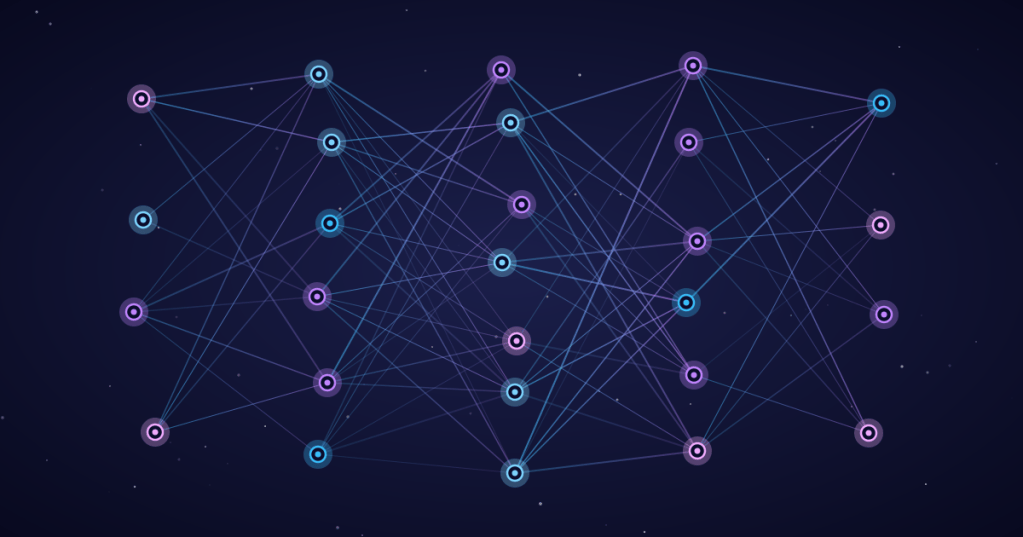
Artificial intelligence is the ability of a computer system to perform tasks that normally require human judgment: recognizing patterns, understanding language, making predictions, and learning from experience. Most of the AI we use today is built on machine learning, a method where software is trained on large amounts of data instead of being given a fixed list of rules. Instead of being told how to spot a cat in a photo, a model studies millions of examples and works out the pattern on its own.
A newer wave, often called generative AI, goes a step further. These systems do not just classify or predict; they produce new text, images, audio, and code based on what they have learned. This is the technology behind modern chat assistants and image generators, and it is the main reason AI has moved from research labs into everyday conversation.
AI in Healthcare
Healthcare is one of the most promising areas for AI. Algorithms can scan medical images such as X-rays, CT scans, and retinal photographs and flag areas that deserve a closer look, helping doctors catch problems earlier. In drug discovery, AI helps researchers sift through enormous numbers of possible compounds, shortening a process that once took years of trial and error. Hospitals also use predictive tools to estimate which patients may need extra attention, and administrative AI to cut down paperwork so clinicians can spend more time with people.
The key point is that these tools assist professionals; they do not replace them. A doctor still makes the final call, with AI acting as a second pair of eyes.
AI in Education
Every student learns at a different pace, and AI makes it more practical to respect that. Adaptive learning platforms adjust the difficulty of exercises based on how a learner is performing. AI tutors can explain a concept in several different ways, answer follow-up questions at any hour, and give instant feedback on practice problems. For teachers, AI can help draft lesson plans, create quizzes, and handle repetitive grading, freeing time for the human parts of teaching: mentoring, encouragement, and discussion.
There is a flip side. Students who lean on AI to do their thinking for them lose the very skills school is meant to build. Used well, AI should be a study partner, not a shortcut.
AI in Business and Work
Companies use AI to automate routine tasks, analyze customer behavior, forecast demand, detect fraud, and personalize services. Customer support chatbots handle common questions around the clock, while human agents focus on complex cases. In finance, AI models watch transactions for suspicious patterns in real time. In logistics, they optimize delivery routes and manage inventory so products arrive faster and with less waste.
For individual workers, AI has become a practical assistant: summarizing long documents, drafting emails, cleaning up data, writing and debugging code, and brainstorming ideas. People who learn to work alongside these tools often find they can handle more in less time, and spend their energy on judgment and creativity instead of repetition.
AI in Creativity and Media
Writers, designers, musicians, and video editors are all experimenting with AI. It can suggest headlines, generate rough visual concepts, remove noise from audio, translate subtitles, or speed up editing. For many creators, it works like a tireless brainstorming partner that helps get past a blank page. At the same time, it has raised serious questions about originality, credit, and how creative work should be valued, debates that are still being worked out.
AI in Everyday Life
Much of the AI around us is so seamless that we barely notice it:
- Smartphones: face unlock, photo enhancement, voice assistants, and predictive typing.
- Navigation: maps that estimate traffic and suggest faster routes.
- Entertainment: music and video recommendations tailored to your taste.
- Shopping: product suggestions, price comparisons, and fraud checks on payments.
- Accessibility: live captions, text-to-speech, and image descriptions that make technology usable for more people.
AI in Agriculture, Transport, and Beyond
Farmers use AI to analyze soil data, satellite imagery, and weather patterns to decide when to plant, irrigate, or harvest, which can improve yields while conserving water. In transportation, driver-assistance systems and experimental self-driving vehicles rely on AI to interpret the road. Energy companies use it to balance electricity supply and demand, and scientists apply it to problems as varied as climate modeling and protein structure prediction.
The Challenges We Cannot Ignore
AI is powerful, but it is not magic, and it comes with real concerns:
- Accuracy: AI systems can produce confident answers that are simply wrong, so important outputs should always be checked.
- Bias: models learn from human-created data and can inherit its prejudices, leading to unfair outcomes if left unchecked.
- Privacy: AI often depends on large amounts of personal data, which must be handled responsibly.
- Jobs: automation will change many roles. Some tasks will disappear, new ones will emerge, and workers will need chances to reskill.
- Misuse: the same tools that help creators can be used to produce convincing fake images, audio, or messages, making media literacy more important than ever.
Addressing these issues takes thoughtful regulation, transparent development, and informed users who understand both what AI can and cannot do.
Using AI Wisely
A few simple habits go a long way. Treat AI output as a first draft, not a final answer. Verify facts that matter. Avoid sharing sensitive personal information with tools you do not fully trust. And keep practicing your own skills, because the people who benefit most from AI are usually the ones who understand their field well enough to guide it.
Looking Ahead
AI is still young, and its most important uses may be ones we have not imagined yet. What seems clear is that it will become less of a separate product and more of an invisible layer woven into the tools we already use. The real question is not whether AI will shape our future, but how thoughtfully we choose to shape AI.

Conclusion
From diagnosing disease to personalizing lessons, from streamlining businesses to helping creators, artificial intelligence is already a practical part of modern life. Its benefits are substantial, and so are its responsibilities. By staying curious, critical, and informed, we can make sure this technology works for people rather than the other way around.

